
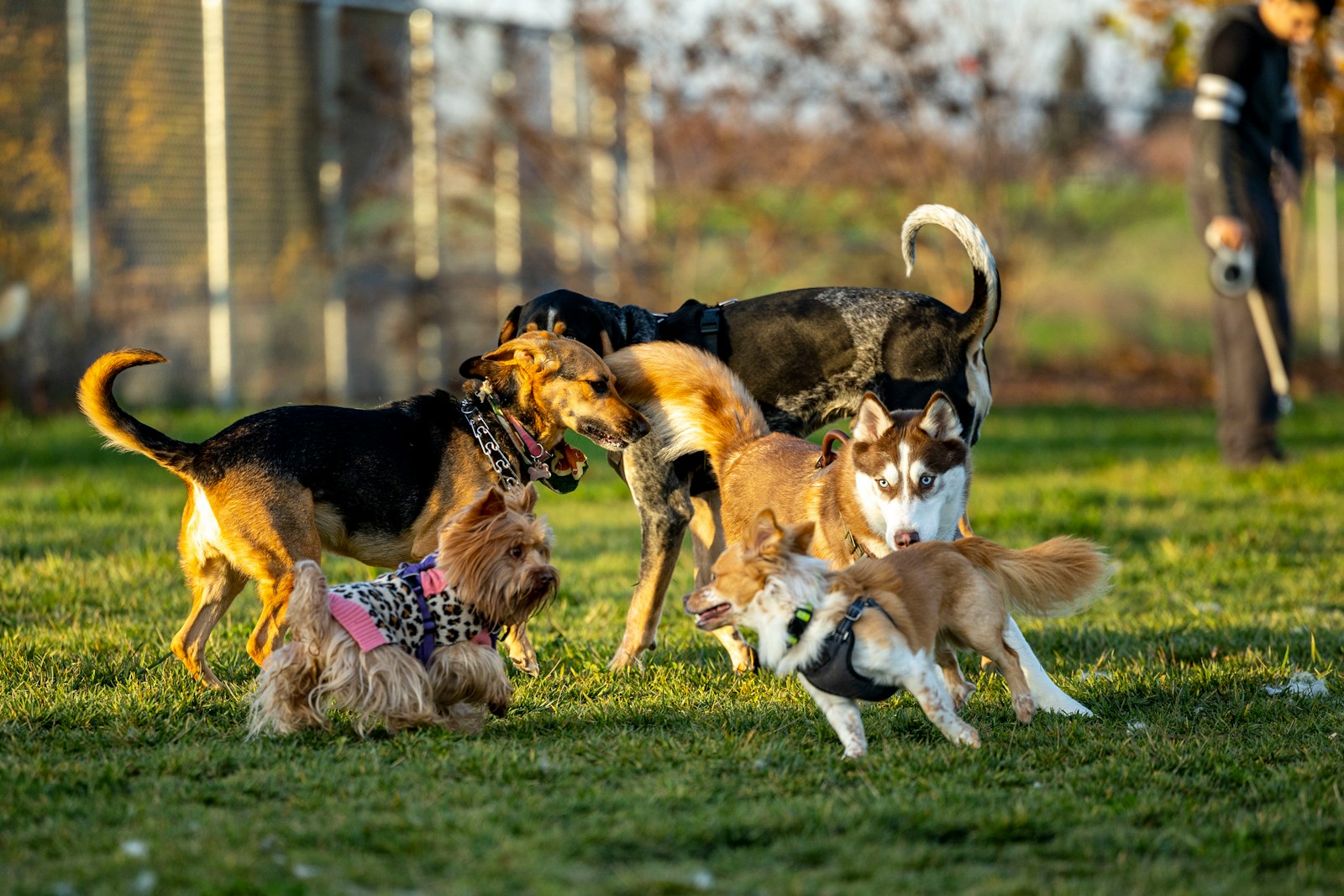
Choosing your first dog is exciting, but not every breed is suitable for an inexperienced owner.
Many first-time owners choose a dog based primarily on appearance. They consider its face, coat, size, or coloring but don’t always ask whether that breed is genuinely suited to their lifestyle and experience.
Choosing a dog is a huge decision. It shouldn’t be based on which breed will look the cutest in a Christmas sweater. It should be based on whether the dog’s natural traits, energy levels and training requirements match what you are capable of handling.
Some breeds are cooperative and relatively forgiving of mistakes. Others are independent, physically powerful and driven by instincts that require experienced handling. We regularly meet owners who have unknowingly chosen an extremely challenging first dog. There are some dogs that even Charlie finds difficult to train – and he’s a professional.
Why Choosing the Right Dog Breed Matters
For much of history, dogs were bred for the work they could perform. They helped humans hunt, herd livestock, guard property and pull loads. Although most dogs now live as household companions, the instincts developed through generations of selective breeding have not simply disappeared.
Problems can arise when a powerful or highly driven dog is placed in a home that cannot meet its needs. We have adopted several dogs that could otherwise have been put down after being labeled as dangerous or out of control. In many cases, the dog had not received the structure, fulfilment or training it needed.
A powerful dog that is out of control can cause serious injury, so dangerous behavior should never be dismissed. However, we must also ask how the dog reached that point and whether its original owner was properly equipped to handle it.
That responsibility begins with choosing a suitable breed.
3 Dog Breeds We Don’t Recommend for First-Time Owners
Are Siberian Huskies Good for First-Time Owners?
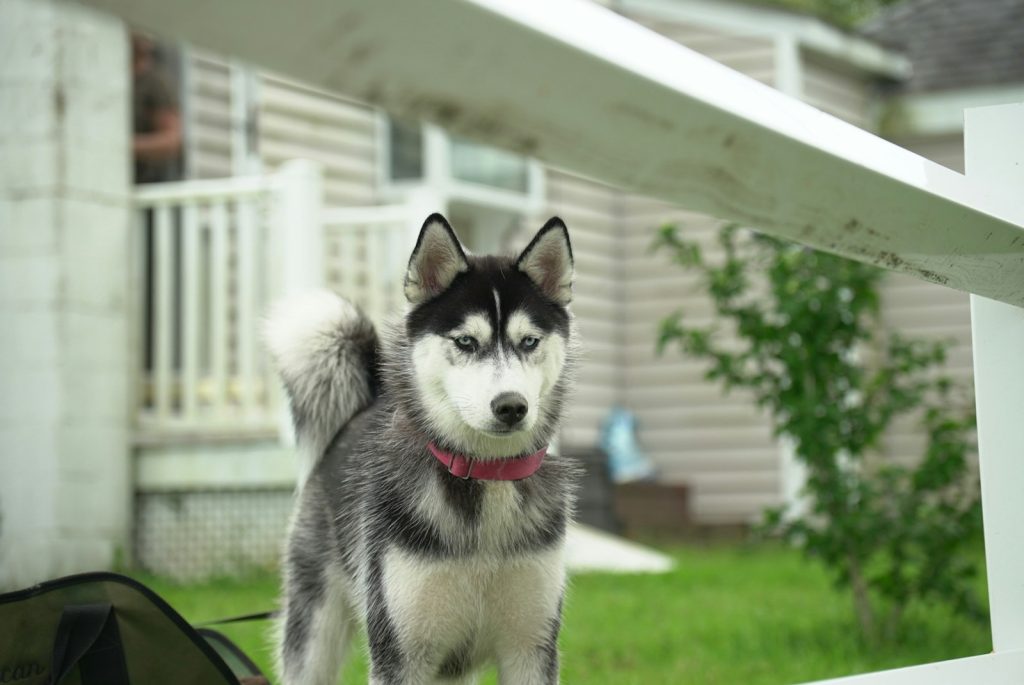
Let’s face it: Huskies are stunning. Their thick coats, wolf-like appearance and striking eyes make them one of the most recognizable breeds in the world.
Unfortunately, their appearance can distract owners from how challenging they are to train and fulfil.
Huskies were bred to work as part of a team, pulling light loads across long distances in demanding conditions. They have exceptional stamina and need considerable physical exercise and mental stimulation. A short walk around the park is unlikely to fulfil a healthy adult Husky.
They also commonly have a strong prey drive. A squirrel, cat or other small animal can immediately capture their attention, making impulse control and recall particularly important. Their desire to run and explore can also make them skilled escape artists.
Training a Husky requires patience and consistency. They are intelligent, but that doesn’t necessarily mean they are naturally eager to follow instructions. They can be independent and may question whether listening to you is worthwhile.
Huskies are also highly social dogs. Some can struggle when left alone for long periods, which may contribute to howling, pacing, digging or destructive behaviour. This does not mean every Husky will develop separation-related problems, but owners must teach independence gradually and ensure the dog’s wider needs are being met. If your dog struggles when left alone, read Does Your Dog Have Separation Anxiety? Signs, Causes & How to Help for further guidance.
If you are considering a Husky, you need to be realistic about whether you can provide the exercise, training, security and daily involvement this breed requires.
Are Cane Corsos Good for First-Time Owners?
The Cane Corso has become increasingly popular in the last few years. These dogs are large, intelligent and extremely powerful, with natural guarding instincts that should never be underestimated.
Cane Corsos were developed to protect people, property and livestock. Although individual temperaments vary, many are naturally watchful and reserved around unfamiliar people. Without appropriate guidance and socialization, that instinct can develop into excessive suspicion or reactivity towards visitors, strangers and other animals.
Cane Corsos need calm, consistent leadership. As we explain in our Five Core Principles for Effective Dog Training, your dog needs clear communication and consistent boundaries. If these repeatedly change, the dog may begin making its own decisions about what is and isn’t a threat.
With a smaller breed, inconsistent training might result in an irritating habit. With a Cane Corse, it can create a serious safety risk.
Adult Cane Corsos can weigh than 100 pounds and possess an enormous amount of physical strength. If one suddenly lunges towards another dog, animal or person, an inexperienced owner may be physically unable to control it.
This does not make the Cane Corso a bad dog. In the right hands, it can be a loyal, intelligent and deeply devoted companion. However, the breed requires an owner who understands guardian dogs, recognizes early warning signs and can provide a clear direction from the beginning.
Learning how to manage those challenges while simultaneously learning the basics of dog ownership is an enormous undertaking.
Are Rottweilers Good for First-Time Owners?

Rottweilers are intelligent, athletic and highly trainable dogs, but their strength, confidence and protective instincts can make them a difficult choice for first-time owners.
It is also important to consider the dog’s breeding. Rottweilers from working lines may be selected for performance, stamina and drive, while those from show or companion-focused lines may have a more manageable temperament.
However, these labels are not a guarantee. Temperament can vary between breeders, litters, and individual dogs. Prospective owners should research the breeder, meet the parents where possible and ask what qualities the dogs have been bred for.
A high-drive Rottweiler needs more than physical exercise. It needs structure, training and activities that challenge it mentally. If that drive has no productive outlet, it can appear as frustration, destructiveness, obsessive behavior or reactivity.
Rottweilers are also extremely strong. Poor leash manners, resource guarding or uncontrolled protective behavior can quickly become dangerous when combined with their size and power.
They can make exceptional companions in experienced homes. They are often loyal, affectionate and willing to work with their owners. However, their trainability should not be mistaken for simplicity. They learn quickly, but owners still need the confidence, consistency and knowledge to teach them the right things.
Does This Mean You Should Never Own These Breeds?
Definitely not.
The problem is that owners fall in love with the idea of a breed without understanding what daily life with that dog will involve.
Owning one of these breeds successfully requires more than good intentions. You need the time, physical ability, patience and knowledge to meet the dogs needs consistently.
If you like the idea of a large dog but have no experience with powerful guardian breeds, a Labrador or Golden Retriever may be a more manageable starting point. They are generally more inclined to work cooperatively with people and are often highly motivated by food and rewards.
If you are attracted to the Husky athleticism, a Standard Poodle could be worth considering. They are active, intelligent and highly trainable, although they still need plenty of stimulation and have significant grooming requirements.
Those looking for a smaller companion may consider a Cavalier King Charles Spaniel. They are often adaptable, affectionate and responsive to their owners, although it is important to research the breed’s health risks and choose a responsible breeder.
There is no such thing as an effortless dog. Every breed requires training, exercise and commitment. However, some breed are more forgiving while a new owner develops their skills.
What Should First-Time Dog Owners Consider?
Breed matters, but it is not the only consideration. Before choosing a dog, research:
- Whether it comes from working, show or companion-focused lines.
- The temperament and health of its parents.
- Its expected adult size and strength.
- Its exercise and mental stimulation requirements.
- Its grooming and healthcare needs.
- How much time it can comfortably spend alone.
- Whether its natural instincts suit your household.
- The breeder or rescue organization it comes from.
Individual temperament will always vary. Not every Husky will behave identically, and not every Labrador will be easy. Breed traits tell you what you are more likely to encounter – they do not guarantee the personality of an individual dog.
Final Thoughts
Choosing a breed that suits your lifestyle and experience level is crucial for your safety of those around you.
This does not mean a first-time owner could never raise a challenging breed successfully. It means they need to understand exactly what they are taking on and be prepared to seek professional guidance before problems appear.
Training a dog can be difficult, tiring and frustrating. It is also a commitment that can last well over a decade. Being honest about your current experience is not admitting defeat, it is giving yourself and your future dog the best possible chance of succeeding.
If you are preparing to bring home a dog and are unsure where to begin, our Dog Training Ebook covers the core principles you need to get started. It is grounded in dog psychology and philosophy, helping you understand your dog and communicate with them in a way they understand.
Frequently Asked Questions
What are the most difficult dog breeds for first-time owners?
Breeds that are highly independent, physically powerful, naturally protective or extremely driven can be particularly challenging for inexperienced owners. Siberian Huskies, Cane Corsos and Rottweilers are three examples that are high on our list, but suitability will also depend on the individual dog, its breeding and the owner’s lifestyle.
Can a first-time dog owner get a Husky?
A first-time owner can successful raise a Husky, but they must be prepared for the breed’s high exercise requirements, independence, prey drive and tendency to run or escape. Huskies need consistent training, mental stimulation and a secure environment.
Can a first-time dog owner get a Cane Corso?
Cane Corsos are generally better suited to experienced owners who understand large guardian breeds. Their strength and protective instincts mean that gaps in training or socialization can have serious consequences.
Can a first-time dog owner get a Rottweiler?
Rottweilers can be affectionate, intelligent and highly trainable, but their strength and protective nature can be difficult for an inexperienced owner to manage. Anyone considering one should carefully research the breeder, the dog’s lineage and the level of training required.
What are the best dog breeds for first-time owners?
Labradors, Golden Retrievers, Standard Poodles and Cavalier King Charles Spaniels may be more manageable choices for some first-time owners. However, every breed has specific exercise, training, grooming and healthcare requirements. The best choice will depend on your lifestyle, home and ability to meet the dog’s needs.